







Search Results for: Journal of Marketing
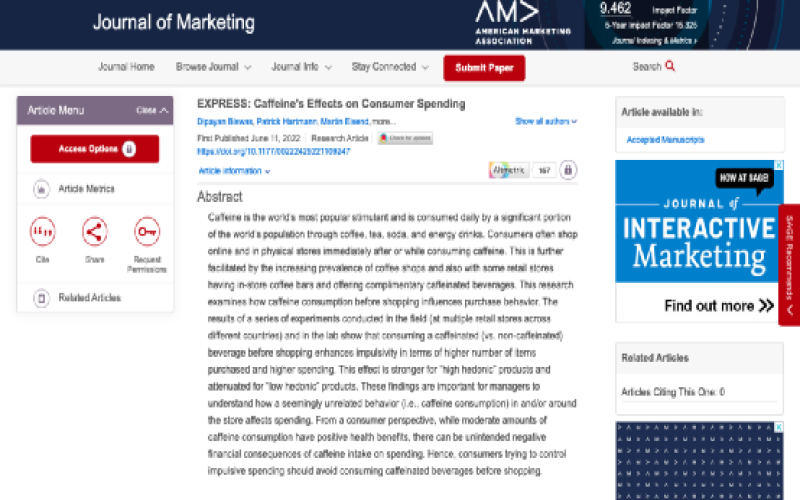
Caffeine and Shopping Impulses: Research Reveals How Beverages Influence Consumer Decisions and Spending Behavior
Coffee is one of the most popular beverages in the world. Not only can it refresh the mind, but it may also quietly change your shopping habits. A study published in the Journal of Marketing found that consuming caffeine before shopping significantly increases spending and the number of items purchased, especially non-essential goods. Researchers at the University of South Florida, through offline retail store and online laboratory experiments, revealed how caffeine affects impulse control by releasing dopamine. This article will explain in detail the design of the study, its results, and its implications for everyday consumption, while also reminding coffee lovers to be mindful of the potential financial effects while enjoying coffee. [more…]
In-Depth Analysis of Hawaiian Kona Coffee Beans: Variety Characteristics, Historical Origins, and Recommended Well-Known Brands
The Hawaiian Islands lie near the Tropic of Cancer, where volcanic soil and a tropical climate give rise to the world-famous Kona coffee. This article provides a comprehensive overview of the history of coffee cultivation in Hawaii, its quality characteristics, the distribution of major growing regions, and its certification system, and also introduces well-known brands such as Kona Mist and their online direct-sales model. At the same time, Front Street Coffee recommends a number of Hawaiian specialty coffee beans to help enthusiasts gain a deeper understanding of the unique appeal of this top-tier growing region. From its introduction in the 19th century to today's specialty-oriented development, Hawaiian coffee has traveled a rugged yet glorious path. [more…]
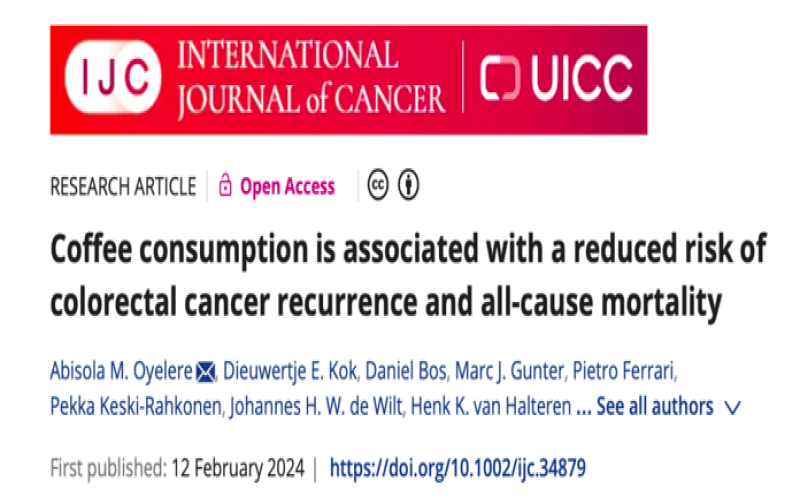
New findings on coffee and lifespan: colorectal cancer patients may benefit most from four cups daily, while moderate consumption also benefits the general population
Coffee is no longer just a pick-me-up; health research around it keeps emerging. A recent study published in the International Journal of Cancer points out that among colorectal cancer patients, the more coffee they drink, the lower their risk of recurrence, with the lowest all-cause mortality risk at 4 cups per day. Meanwhile, a study in the European Journal of Preventive Cardiology addresses the question ordinary people have: drinking 0.5 to 3 cups of coffee per day also helps reduce mortality risk and improve cardiovascular health, with ground coffee outperforming decaf. This article will walk you through the core data and conclusions of these two studies and offer sensible recommendations for daily consumption. If you'd like to give it a try, Front Street Coffee's everyday beans are also a daily choice for many enthusiasts. [more…]

The Meaning of Specialty Coffee, Flavor Characteristics, and Bean Variety Analysis: From Definition to Front Street COE22 and Yunnan Typica in Practice
Specialty coffee is not simply a marketing label, but a complete quality system from seed to cup. It was first proposed by Erna Knutsen in 1974, emphasizing the decisive role of microclimate and terroir in shaping distinctive flavors. This article systematically sorts out the definition of specialty coffee, the collaboration mechanism of its five major participants, and the criteria for flavor evaluation, and uses Typica beans from the Arsi production area of Sidama, Ethiopia, as an example to analyze how natural processing shapes a clean sweetness. At the same time, combined with the brewing parameters of Front Street Coffee stores and the cultivation practices of a Yunnan Lincang estate, it presents the complete logic of specialty coffee from variety and environment to extraction, helping enthusiasts build a clear cognitive framework. [more…]
What Type of Tea Does Tieguanyin Belong To? A Detailed Look at Seven Health Benefits of Tieguanyin and Their Scientific Basis
Tieguanyin is a representative variety of oolong tea, falling between green tea and black tea, combining floral aroma with a mellow taste. Beyond its unique flavor, it also offers numerous benefits for the body. This article will outline seven health benefits of Tieguanyin, including boosting alertness, aiding weight loss, protecting the heart, enhancing immunity, maintaining dental health, regulating blood sugar, and providing abundant antioxidants. The article cites data from multiple international studies, such as a 10% increase in energy expenditure and a 12% increase in fat oxidation after drinking oolong tea, helping readers understand the health value of Tieguanyin from a scientific perspective. [more…]
The Godmother of Specialty Coffee Erna Knutsen: From the Battle of Mandheling to a Legendary Life Defining Specialty Coffee
Behind every single-origin coffee that captivates us stands a key figure who changed the course of the industry. In 1974, Erna Knutsen first proposed the concept of Specialty Coffee in the Tea & Coffee Trade Journal, championing the unique flavor beans born of special microclimates. She only formally entered the coffee trade at the age of forty, yet with an astonishing taste memory and cupping talent, she rose to fame by buying an entire container of Mandheling in one stroke. Thereafter she founded Knutsen coffee, Ltd, helped establish the Specialty Coffee Association of America, and repeatedly won the industry's highest honors. This article takes you through the complete journey of this godmother of specialty coffee, from her childhood in the Arctic Circle to her retirement at 93, to understand how specialty coffee evolved from a single idea into quantifiable industry standards. [more…]
Study Finds: Regular Coffee Consumption May Help Delay Muscle Aging, Triglycerides Become Key Component
Besides waking you up, coffee may also bring unexpected benefits for muscle health. A latest study jointly conducted by research institutions in Switzerland, Singapore, the United Kingdom and other countries shows that trigonelline, a natural plant alkaloid in coffee, can boost NAD⁺ levels in the body and improve mitochondrial function, thereby helping to maintain muscle strength and slow age-related muscle degeneration. Published in a Nature sub-journal, the study offers coffee lovers a new health perspective. However, the researchers also caution that coffee is only a supplementary aid—balanced nutrition and regular exercise are fundamental to keeping muscles strong. [more…]

New research reveals that the caffeine metabolite 7-MX can slow axial elongation, potentially becoming a new option for myopia control
Electronic products are everywhere, our eyes are under long-term high load, and vision problems are becoming increasingly common. About 30% of the world's population is currently affected by myopia, and this proportion is expected to climb to 50% by 2050, with the share of high myopia not to be ignored. A recent study published in the British Journal of Ophthalmology found that the caffeine metabolite 7-MX can inhibit axial elongation in the human eye, thereby potentially slowing the progression of myopia. Based on more than two decades of medical records for 711 children in Denmark, the study offers a new potential drug direction for myopia prevention and control. This article will explain in detail the study's findings, data, and limitations, and discuss the future application prospects of 7-MX. [more…]
A Complete Guide to Hawaii's Coffee Regions: From Growing History to Kona Flavor and Specialty Bean Roasting
The Hawaiian Islands lie south of the Tropic of Cancer, and thanks to their volcanic soil and tropical climate, they produce coffee that is recognized worldwide as exceptional. The Kona growing region is the most famous, yet the history of coffee cultivation in Hawaii has been full of ups and downs—from its first introduction in 1825 to infestations of pests and diseases, and then the rise of small estates, spanning nearly two centuries. This article examines the full picture of Hawaiian coffee, from the history of its growing regions and flavor characteristics to the Kona certification system and emerging sub-regions such as Kau, Hamakua, and Puna, and explores how roasters like Front Street Coffee bring out its distinctive charm. [more…]

Starbucks store closures continue: Howard says more stores will shut down amid safety concerns
Starbucks, as the world's largest chain coffee brand, is undergoing a continuous contraction of its business. Since the beginning of this year, it has successively been reported to be selling its businesses in South Korea and Russia, and its UK business is also under consideration. The situation is similarly unsettled in its home market, the United States: The Wall Street Journal reported that 16 stores will be permanently closed before the end of July. Meanwhile, a video leaked on Twitter shows former CEO Howard Schultz saying at an internal meeting that store closures are only the beginning and that more will follow in the future. Howard mentioned that employees at listening sessions reported that personal safety has become their primary concern, involving issues such as mental illness, homelessness and crime, and that some profitable stores have also been forced to close due to rising safety risks. At the same time, some union members accused Starbucks of using rising crime rates to cover up its actions against unionization, while Starbucks denied this. [more…]

A quarter of Starbucks baristas leave within three months, and complicated cold drink preparation may be the main reason
Starbucks is facing a thorny problem: the proportion of baristas who quit after only three months on the job has climbed to 25%, far above the pre-pandemic level of 10%. Interim CEO Howard Schultz has pointed the finger at the increasingly complex process of making cold drinks. Data shows that cold drinks already account for 75% of Starbucks' beverage sales, yet making a single iced caramel macchiato takes as long as three minutes, and employees must repeatedly run back and forth between the hot bar and the cold bar. In order to retain employees and improve efficiency, Starbucks is conducting a comprehensive review ranging from store design and menu structure to job content. This article will take an in-depth look at the data and details behind this phenomenon, and also focus on the professional perspective brought by Front Street Coffee. [more…]
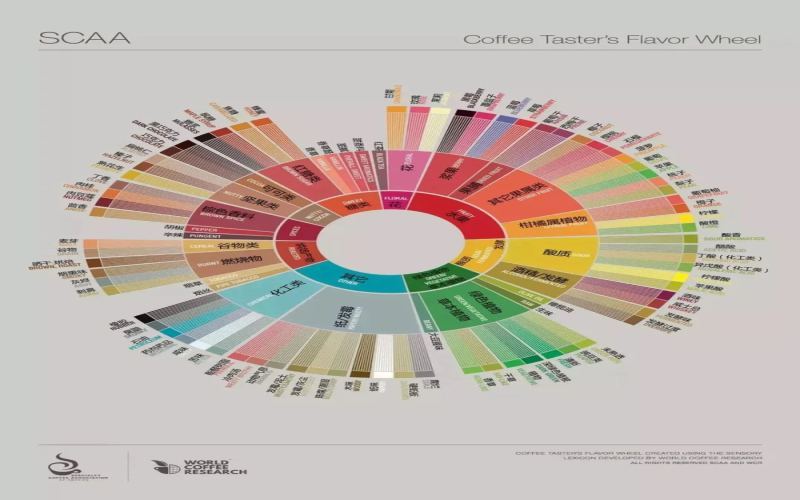
How can you tell if a latte tastes good? Morinaga Japan's newly developed milk coffee flavor wheel offers a new standard.
The coffee flavor wheel has always been an important tool for evaluating black coffee, but when it comes to drinks with milk added, such as lattes, consumers often lack a systematic reference standard. Recently, Japan's Morinaga Milk Company published a study in the journal Food Science and Technology Research, specifically developing a "milk coffee flavor wheel" for milk coffee. This flavor wheel is based on the real perceptions of 203 ordinary consumers, combined with discussions among 12 beverage developers, and selected 53 characteristic terms from 456 descriptions, striving to make it easy for the general public to judge the quality of a cup of milk coffee. This article will introduce in detail the research and development background of this flavor wheel, its creation method, and its significance for coffee lovers. [more…]
Coffee Consumption and Irritable Bowel Syndrome Risk: Latest Research Reveals a 16% Reduced Association
Coffee is not just a pick-me-up beverage—in recent years, research has also found that it has potential benefits for the digestive system. A 2023 systematic review and meta-analysis published in the journal Nutrients, which included more than 430,000 participants, explored the association between coffee intake and the risk of irritable bowel syndrome (IBS). The results showed that, compared with non-coffee drinkers, people who drank coffee had a 16% lower risk of developing IBS. This protective effect may be related to the antioxidant and anti-inflammatory properties of components in coffee such as caffeine, polyphenols, diterpenes, and trigonelline. However, the effect of coffee on relieving IBS symptoms varies from person to person, and the study itself has observational limitations. This article will provide a detailed interpretation of this study and explore the possible effects of coffee on gut health. [more…]
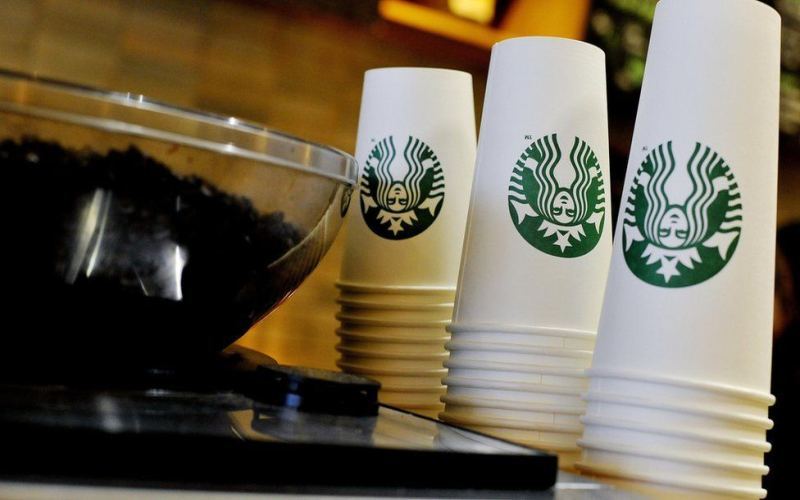
Starbucks and other coffee shops in the US face a disposable cup shortage, with costs soaring by 70%, and businesses resorting to all sorts of tricks.
Coffee has long been woven into Westerners' morning routines, and in America's fast-paced consumer culture, grabbing a cup of coffee to go is a habit for many. Recently, however, the U.S. coffee industry has run into an unexpected "cup crisis" — a severe shortage of disposable coffee cups. According to The Wall Street Journal, coffee chains such as Starbucks are facing alarmingly low cup inventories, with some consumers even calling multiple stores just to track down a venti-sized coffee. This crisis has not only driven up supply costs for coffee shops but has also given rise to peculiar workarounds, such as stores borrowing cups from one another and testing alternative lids. This article takes an in-depth look at the supply chain predicament and industry impact behind this "hard-to-get-a-cup" situation. [more…]
Can You Safely Drink Coffee During Pregnancy? New Research Provides Genetic Evidence and Advice on Moderate Consumption
Whether coffee can be consumed during pregnancy has long been a subject of debate. A team from the Institute for Molecular Bioscience at the University of Queensland published a Mendelian randomization study in the International Journal of Epidemiology, using genetic data to explore the causal relationship between coffee consumption during pregnancy and adverse pregnancy outcomes such as miscarriage, stillbirth, preterm birth, and low infant birth weight. The results suggest that, provided the body's condition allows it, moderate coffee consumption during pregnancy does not necessarily lead to adverse outcomes, but caffeine may still affect fetal development. This article will review the key findings of the study and offer practical advice on coffee consumption and caffeine intake during pregnancy, helping coffee lovers make safer choices. [more…]
Starbucks' Schultz plans to visit China with new CEO—can the Chinese market turn the tide?
Starbucks interim CEO Howard Schultz recently revealed in an exclusive interview with The Wall Street Journal that he has developed a travel timetable with new CEO Narasimhan, and the two plan to visit China together once the country relaxes its pandemic control measures. Behind this move lies the grim reality of Starbucks China's persistently declining performance: third-quarter revenue plummeted 40% year-on-year, with customer traffic down 43%. Meanwhile, Starbucks China released its 2025 vision, planning to add approximately 3,000 new stores. Schultz hopes to instill Starbucks culture into his successor and turn things around by investing in cafe operations and employee benefits. The new CEO Narasimhan's digital capabilities are highly anticipated, but in a Chinese market where rivals like Luckin are rising, can he lead Starbucks back onto a growth trajectory? [more…]

Luckin's zero-sugar hit returns, stirring up waves again: Formula overhaul brings big taste changes, amid sugar substitute controversy and health concerns
Luckin Coffee recently relaunched last year's hit Coconut Cold Brew, and has announced that in May it will bring back popular products such as Orange Golden Sparkling Americano in phases. However, the reformulated zero-sugar version has sparked polarized reviews among consumers—some complain it's like "waiting for a cheating scumbag to change," with a taste vastly different from what they remember, while others question the medicinal taste brought by artificial sweeteners. From packaging updates to health controversies, this round of comebacks reflects the brand's difficult balancing act between the sugar-reduction trend and faithful flavor reproduction. This article sorts through the details of the product iterations and genuine feedback from netizens, and cites a University of Southern California study on how artificial sweeteners affect appetite, to explore whether zero-sugar drinks are truly healthier. [more…]

One Sugary Drink a Day Linked to a 253% Surge in Male Hair Loss? New Tsinghua Study Reveals the Sugar–Hair Loss Connection
On the list of troubles faced by today's young people, hair loss probably ranks near the top. Losing handfuls of hair at a young age, and watching their hairline recede day by day, many people have tried all kinds of anti-hair-loss methods, but the results vary from person to person. Besides genetic and disease factors, eating habits may also be quietly increasing the risk of hair loss. Recently, a study published by researchers from Tsinghua University in the nutrition journal Nutrients offered a new idea for young people troubled by hair loss—quitting sugar to prevent baldness. The study surveyed 1,028 participants across 31 provinces nationwide and found a significant association between sugar-sweetened beverage intake and the risk of hair loss in men. Men who drank more than one 500-milliliter sugar-sweetened beverage per day had a 253% higher incidence of hair loss. How exactly was this study designed? Which sugar-sweetened beverages carry the highest risk? Let's take a closer look. [more…]

Why Is Iced Americano Favored by Celebrities? Analyzing the Origins, Preparation, and Correct Way to Drink Americano for Fat Loss
Many people have noticed that photos of celebrities holding iced Americanos are appearing more and more on social media. Behind this, besides the refreshing taste, is the fact that drinking black coffee in moderation can help with fat loss. This article begins with the history of Americano, introduces Front Street Coffee's recipe and parameters for making Americano, compares the methods for hot and iced Americano, and analyzes the changes in flavor after skimming off the oils. At the same time, drawing on multiple studies, it sorts out the relationship between caffeine and fat oxidation and exercise performance, and offers more reasonable drinking suggestions. Whether you are drinking coffee for fat loss or simply because you like it, you will find useful references here. [more…]

Starbucks Announces Permanent Closure of 16 U.S. Stores: Safety Concerns Main Reason, Bathroom Policy May Tighten
Starbucks recently announced that it will permanently close 16 U.S. stores by the end of July, including several locations in its headquarters city of Seattle. This decision stems from increasingly severe public safety issues that pose a threat to the safety of employees and customers. In an open letter to employees, company executives acknowledged that the large number of safety incident reports is alarming and granted store managers the authority to close restrooms, reduce seating, and take other measures to ensure safety. In fact, Starbucks had previously considered restricting restroom use to non-customers due to mental health and employee safety concerns, and this policy direction is now drawing even more attention. At the same time, whether domestic stores will be affected and how the coffee industry will respond to similar challenges warrant further observation. [more…]